Lake in the Hills
Basement Leak Detection in Lake in the Hills
Basement Leak Detection in Lake in the Hills from an estimated $150. Groundwater, condensation or a supply pipe: three ways a basement floor gets wet, and only one is a plumbing leak.
- The red flow indicator explained before you book
- Located and marked, with the readings written down
- An IDPH license number you can look up yourself
What the visit covers
- Flow indicator read with you
- Softener and toilets ruled out
- Leak located and marked
Estimated visit$150‑400
Local crew
Local to Lake in the Hills, not a franchise call center
Local knowledge
East side mains rebuilt 1999 to 2020
Basements, scoped before priced
The finding written down, not a summary
IDPH
License number on every written quote
Lake in the Hills
Basement Leak Detection in Lake in the Hills: what actually fails
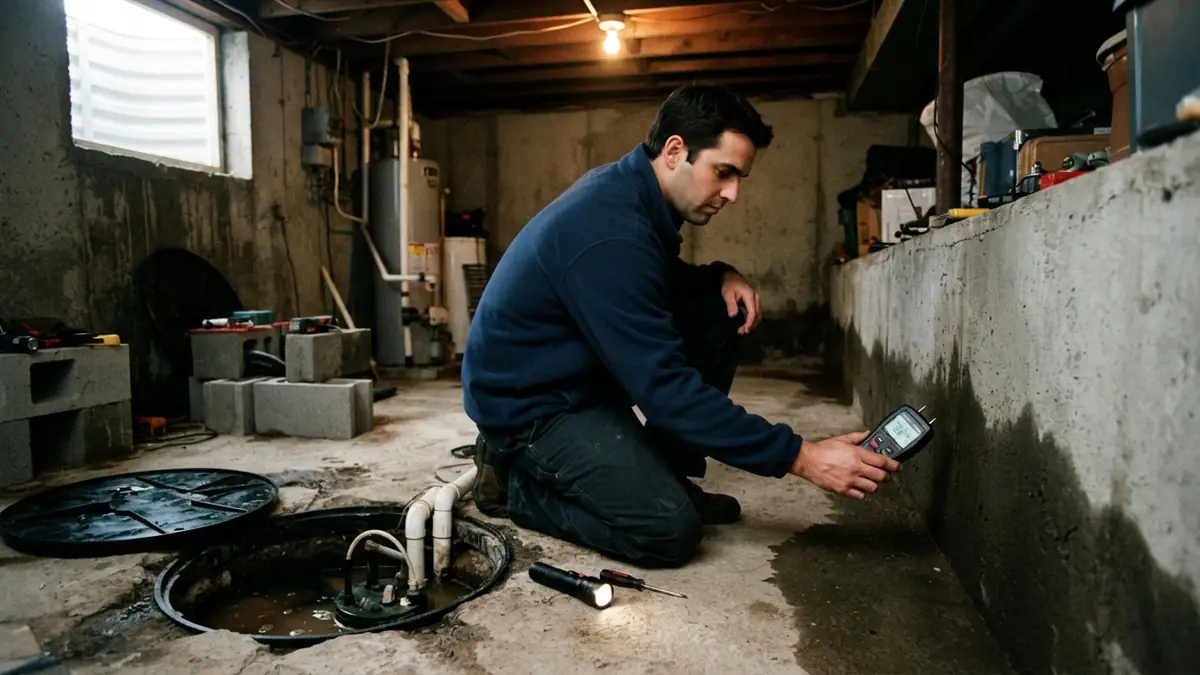
Not every wet basement floor is a plumbing leak. Water that came up through a floor drain is sewer, and the Lake in the Hills Sanitary District, which handles sewer separately from the village's water, asks to be called on its 24-hour line before a plumber. Water that comes through a wall after rain is most likely groundwater. What is left, water that appears in dry weather with every drain quiet, is supply plumbing, and that is what basement leak detection in Lake in the Hills locates.
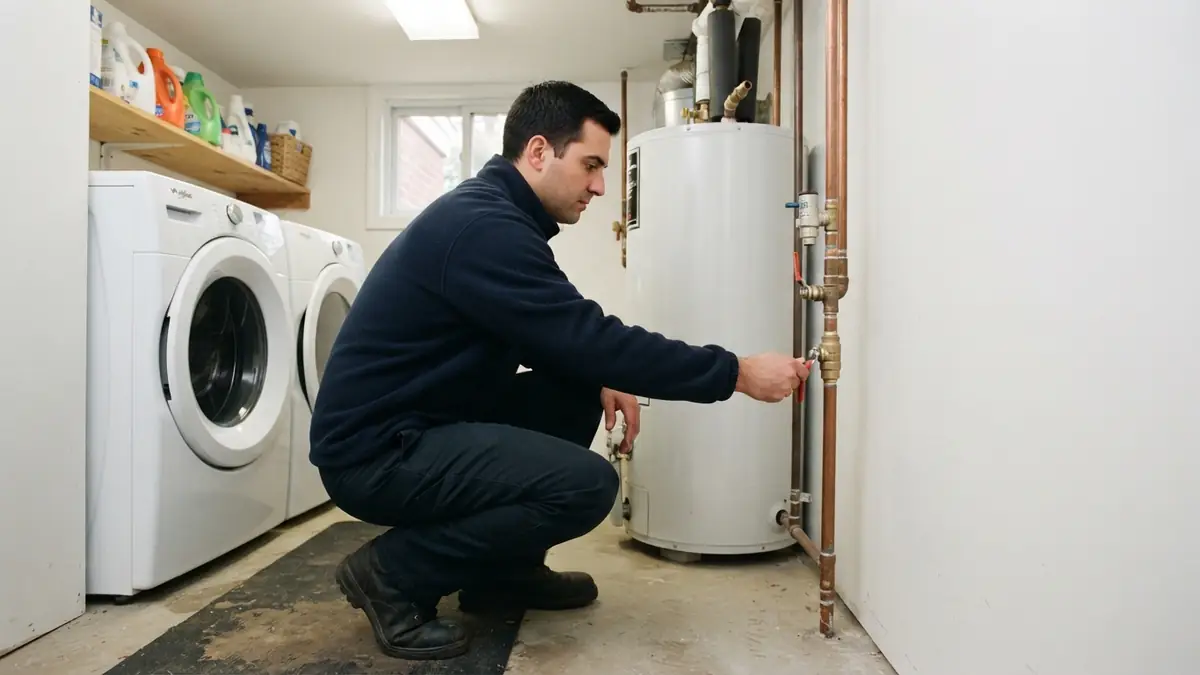
A wet basement has three usual sources: water working through the foundation from outside, sweat dripping off cold pipes in humid weather, and a leak in the supply plumbing. Only the last is ours to locate, so the visit starts by telling them apart. Treated drinking water usually carries a trace of chlorine and groundwater does not, so a pool test strip in fresh water at the wet spot is a free first clue. Then the softener and the water heater: hard water scales their valves, and the village advises flushing the heater every three months, so its drain valve is opened often and does not always reseat.
- Which side of Randall Road, asked first
- Red flow indicator read with you
- B-box to house traced as your line
- Estimated range given on the phone
East of Randall or west: two plumbing histories.
What happens
What happens during Basement Leak Detection in Lake in the Hills
Three of them cost nothing, and the first is the village's own advice.
- 1
Watch the red flow indicator
With nothing running inside or out, look at the meter head. If the red triangle turns, water is leaving somewhere past the meter.
- 2
Lift the toilet lids
- 3
Make sure the softener is not mid-cycle
- 4
Then the hidden pipe
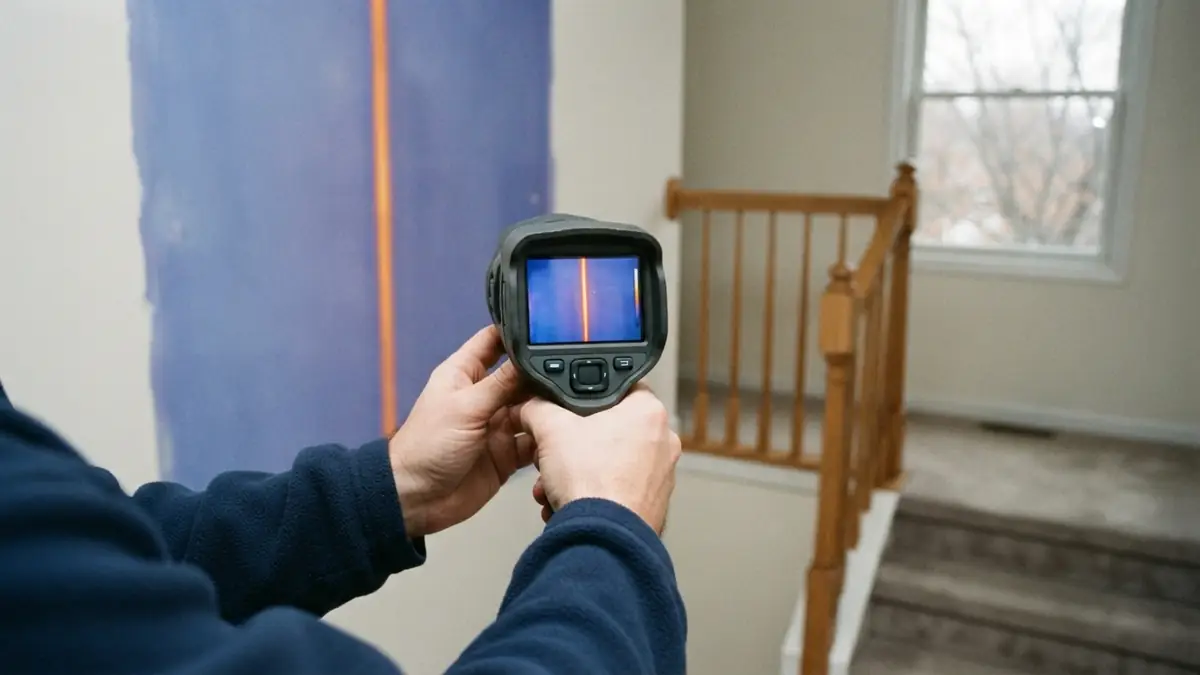
Only then does equipment come out: isolating valves, acoustic listening, thermal imaging, moisture readings, and a pressure test or tracer gas for the buried line.
Related
Leak detection services for Lake in the Hills homes
Also in Lake in the Hills
Emergency Leak Detection in Lake in the Hills
Main shutoff first, then the call — and an honest answer on the phone about whether it has to be tonight.
Est. $150 - $400Emergency Leak Detection
Also in Lake in the Hills
Leak Detection in Lake in the Hills
The meter and the cheap suspects go first; then the hidden pipe is located to a spot you can mark.
Est. $150 - $400Leak Detection
Lake in the Hills
Basement Leak Detection in Lake in the Hills: what is different here
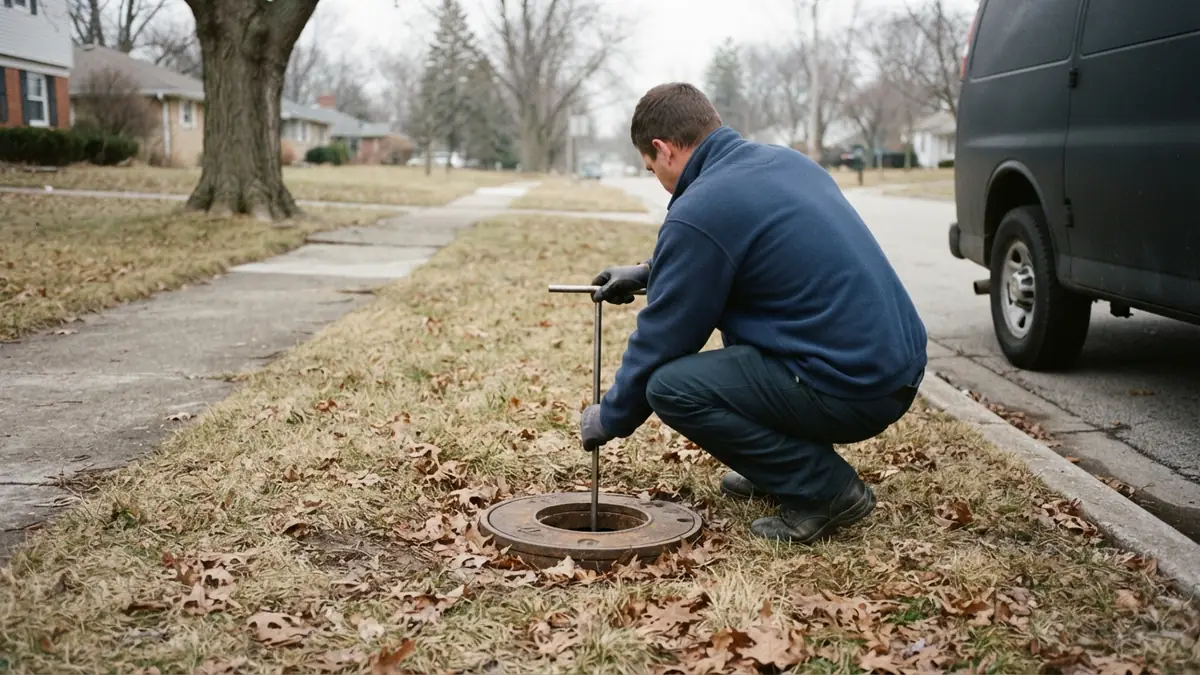
The village owns the service from the main to the b-box; the owner has it from the b-box to the house. That buried stretch is where a leak costs the most to find, because an indoor meter may never register it.
A village of 28,982 people at the 2020 census in southern McHenry County, about 38 miles northwest of Chicago. It had 5,866 in 1990, so most of its houses belong to the building boom west of Randall Road rather than to the original section around Woods Creek Lake.
- Estimated range, detection
- $150‑400
- How the village bills homes
- Quarterly
- Service line depth, IL code
- 36 in+
Costs
What Basement Leak Detection in Lake in the Hills costs
Basement work comes to an estimated $150 to $450. The first part of the visit decides whether the water is plumbing at all; if it is groundwater or a sewer backup, you are told so, and that is where our part ends. Finished walls and a drywall ceiling over the supply runs take longer to search than pipe along open joists.
Basement Leak Detection
$150 - $450
Estimated - same or next workday
- Seepage, sweat or supply leak sorted
- Softener and heater valves checked
- Finished walls scanned before cutting
- A plain answer when it is not plumbing
Emergency Leak Detection
$150 - $400
Estimated plus after-hours - same day where water is running
- Tonight or tomorrow, decided on the call
- The shutoff walked through before we set off
- Frozen and split pipe found after the thaw
- The same estimated range, plus after-hours
Leak Detection
$150 - $400
Estimated - same or next workday
- The flow indicator read with you, first
- Toilets and softener ruled in or out
- The leak marked on the wall, floor or lawn
- Any repair quoted separately, in writing
Estimated industry ranges, not a quote for your house. That one is a written quote, and it comes before anybody starts.
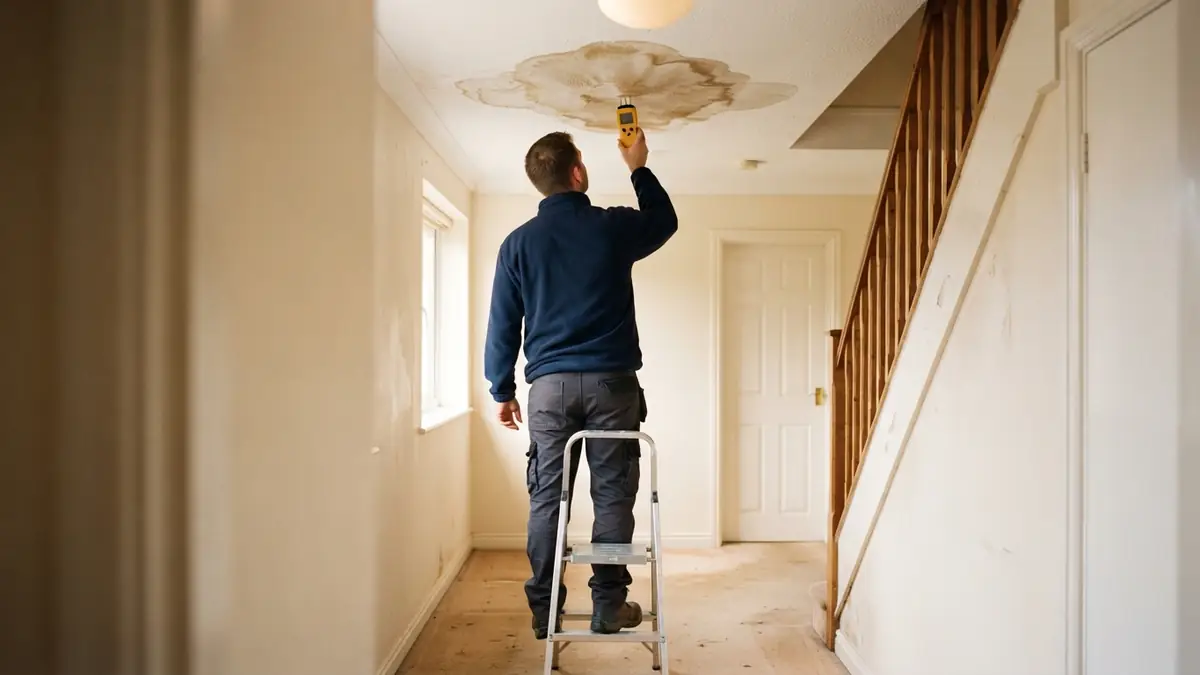
Worth asking anyone
What Basement Leak Detection in Lake in the Hills turns on
Every question here tests the method, since a marked spot can be checked and a hunch cannot.
What will you open, and how big?
After thermal and moisture readings, one small opening in a known spot. If nobody can say where, the locating is not finished.
What is your IDPH license number?
Illinois licenses plumbers through the Department of Public Health, which requires the number on plumbing advertising and lets anyone look it up.
Will you read the meter with me first?
The flow indicator is the cheapest diagnostic there is, and starting with it keeps a visit short.
Do you know where the village's pipe ends?
Here it ends at the b-box, not the meter. That boundary decides who repairs what, so it is worth hearing it stated correctly.
Need Basement Leak Detection in Lake in the Hills?
Groundwater, condensation or a supply pipe: three ways a basement floor gets wet, and only one is a plumbing leak.
Coverage
Where in Lake in the Hills we work
- 60156
Questions
Questions about Basement Leak Detection in Lake in the Hills
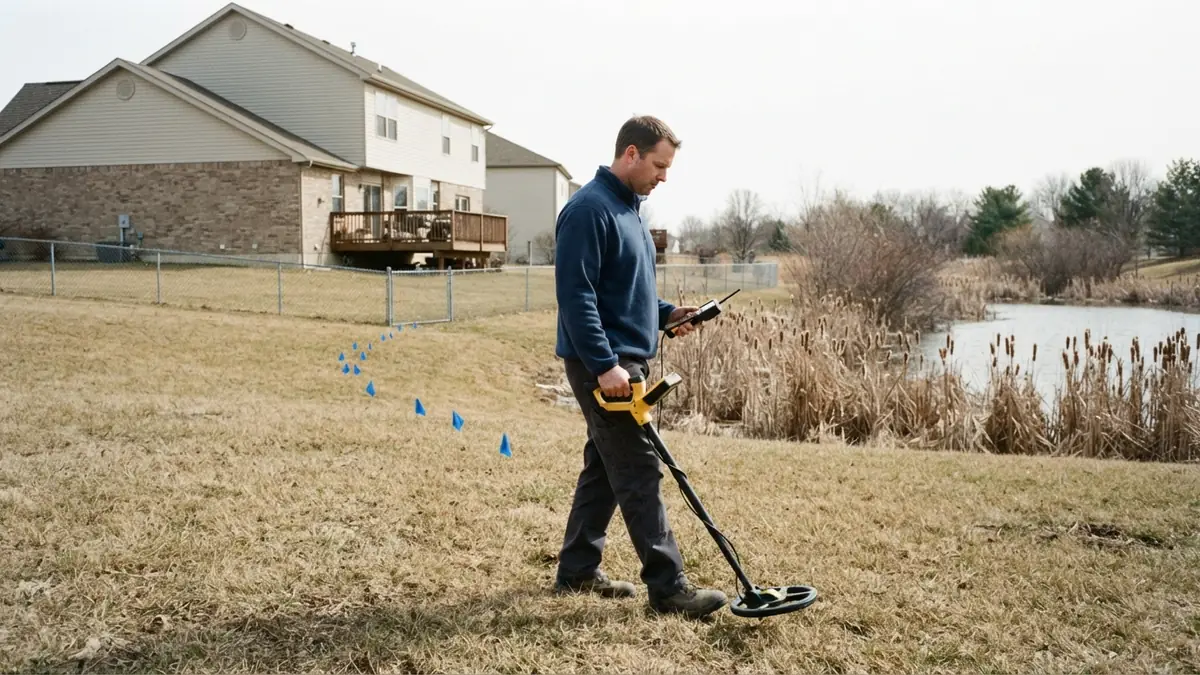
Something not covered here?
Put it to us by phone. Plain answers, an estimated range and nothing to sign.
Call (847) 994-0824Why is there water in my basement but no leak?
Because most basement water is not from the plumbing. Groundwater through the walls or floor after rain, condensation dripping off cold pipes in humid weather, and a sewer backup through a floor drain all look like a leak. A pool test strip showing chlorine in fresh water points toward the supply; water rising at a floor drain is a call to the Sanitary District's 24-hour line first.
How do I find out where my basement is leaking from?
Dry the area, then watch where the water comes back. Water returning along the base of a wall after rain is seepage; a puddle that grows in dry weather under pipes, the water heater or the softener is plumbing, and the flow indicator will usually turn with everything off. A paper towel taped under a suspect joint shows a slow drip by morning.
How much does it cost to have a leak detected?
For most houses in the village, somewhere in an estimated $150 to $400 band, and any repair is priced on its own. The buried line from the b-box runs an estimated $200 to $500, because it sits three feet or more down. No local average has been published, and anything you rule out before the visit brings the figure down.
Why is my water bill all of a sudden so high?
Usually a toilet, sometimes a softener, occasionally a hidden pipe. The village names the toilet flapper as the leading cause, and a softener stuck in its cycle can run water to the drain for hours. Bills here are quarterly, so a jump can be three months of a small problem.
How can I find a leak in my water line?
Start with where the meter is. If it is outside, watch the flow indicator, then close the main valve inside; still turning means the buried line. If it is inside, the buried line never shows on it, so look for a soft strip of lawn, seepage where the pipe enters, or pressure that sags everywhere.
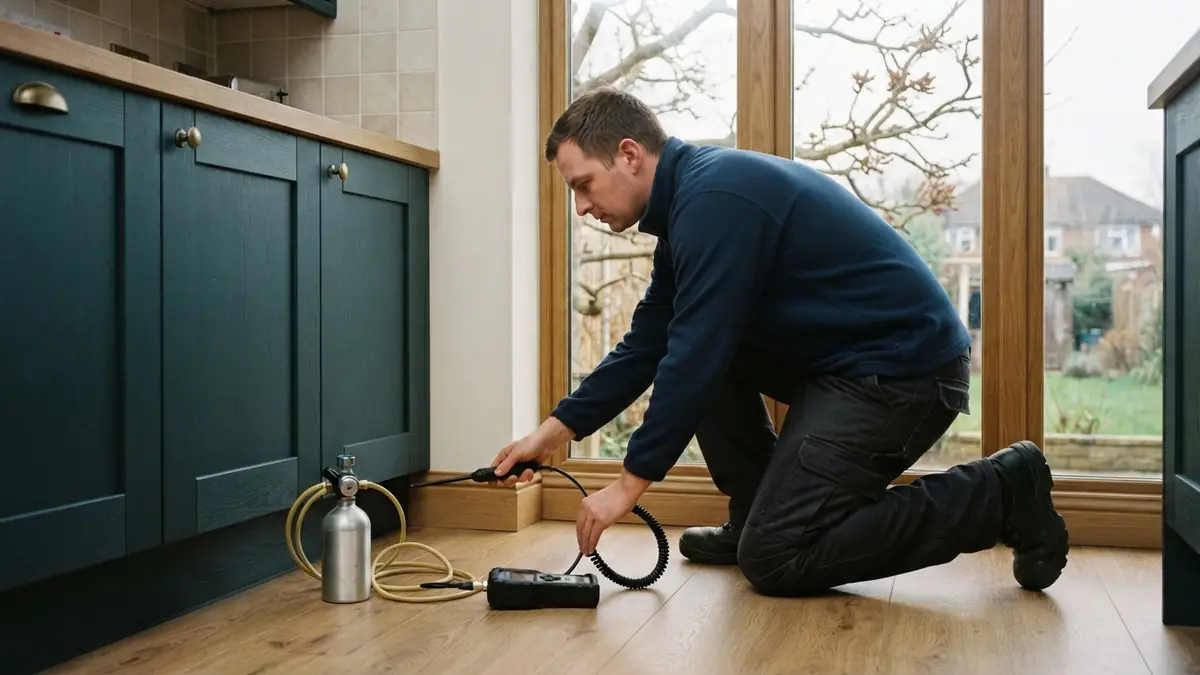

Basement Leak Detection in Lake in the Hills, from the first call
Basement Leak Detection in Lake in the Hills: an estimated range on the call, and the written quote before any work starts.
Talk to us
Talk to us about leak detection in Lake in the Hills
Call now
(847) 994-0824Hidden leaks located and marked, with an estimated range given before anyone comes out.
Before you call
- Estimated range given on the phone
- Which side of Randall Road, asked first
Where we work
Every area we cover